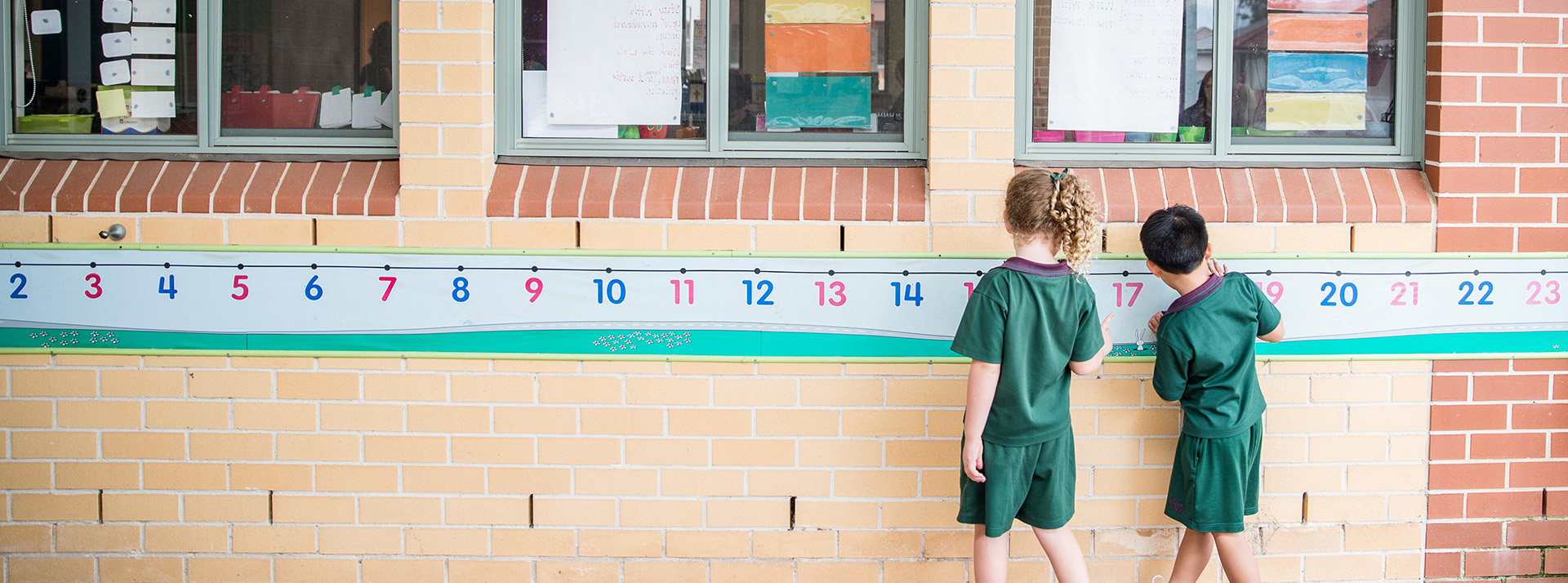
Budding scientists wear their lab coats at Holy Cross Catholic School in Glenwood. Photo: Louise Kennerley

Coding will be compulsory for primary school children, while students in years 7 and 8 will be required to learn a coding language under new science and technology syllabuses to be introduced to NSW schools next year.
The new primary school science syllabus aims to give children a better understanding of scientific concepts and methods by the time they finish year 6 so they are ready for more sophisticated science at high school.
Coding concepts will be introduced from kindergarten to year 2, when children will learn how to follow and describe a sequence of steps (computational thinking) and about the ways data is represented as pictures, symbols and diagrams.
They will learn to use a children's coding program, such as Scratch Jr, to develop projects such as designing a dance sequence.
In years 3 and 4 they will learn about different types of data – such as text, images, and videos – and how the data can be represented in different ways using codes and symbols.
By years 5 and 6 they will look at how different digital systems work together, and be able to develop a storyboard for a computer game they would create using a visual programming language.
In early high school, a new year 7 to 10 technology syllabus makes a non-visual coding language compulsory.
"In [years 7 and 8], students have to learn to code in a general purpose language, which means characters, letters," said Mark Tyler, the inspector of technology education at the NSW Education Standards Authority, at a recent conference.
"It's not visual or block coding. That's fine in primary, but in secondary, by the end of the stage they have to learn coding in a general purpose language."
Associate Professor Matt Bower, an expert on technology in education at Macquarie University, said early coding gave children skills, confidence and important technological knowledge. But teachers need to be properly skilled.
"The key to maximising the benefits of introducing coding early is providing teachers with the capabilities to teach coding and computational thinking in a way that ignites children's curiosity and wonderment," he said.
"Many primary school teachers have no experience with coding, let alone teaching it, so extensive effort is required to ensure that they have the skills and resources they need to understand computing and bring it to life for their students."
The new primary syllabus will also encourage children to explore the world around them through a scientific lens.
Holy Cross Catholic School in Glenwood is already preparing for the new syllabus. Kindergarten kids wear lab coats and safety glasses. They have circuits, batteries and a 3D printer. "They see themselves as real scientists," principal Marina Hardy said.
"My role has really been about how I can create an engaging and challenging learning environment for the students, so there is a place for them to enquire, explore and imagine and help them be really curious and excited."
Professor Ian Chubb, Australia's former chief scientist, said it was a primary school teacher who helped him explore the kinds of trees, ants and butterflies in the playground, that laid the foundations of his science career.
"The changes that they are introducing about science in action – it's critical," he said. "Science is happening all around us all the time; it impinges on our lives hourly if not every minute."
Access the original article from Sydney Morning Herald

Sydney Morning Herald
Breaking news from Sydney, Australia and the world.
-
18 Sep 2026
From Facebook
💧🌏 Season of Creation 2026 at Holy Cross 🌿 Our school community has been celebrating the Season of Creation through prayer, learning and action. We began with classroom liturgies for the World Day of Prayer for the Care of Creation, followed by Faith in Action activities led by our iHelp students, including Creation Scavenger Hunts and Earthcare Eco Expo, where students explored ways to reduce waste. Our Year 6 iHelp students led Creation Prayer Time with their Kindergarten buddies, while our Year 3 students put their learning about showing mercy to God’s creation into action by picking up rubbish during recess and collecting containers for Return and Earn. As a whole school, we have also recommitted to using our Return and Earn baskets to help reduce waste and care for our common home. ♻️ Together, we are putting our faith into action and caring for common home. Catholic Schools Parramatta Diocese #faithinactioncspd15 Sep 2026
From Facebook
Today, we celebrated our school Feast Day! ✝️✨ While the official Feast of the Exaltation of the Cross falls on September 14th, our school community gathered together today to celebrate our unique identity, founded on the Cross. We shared in the Eucharist and remembered Jesus' ultimate sacrifice for us—a constant reminder of His call for us to “Live Life to the Full.” After Mass, Father Jolly blessed our beautiful new foyer cross! ✝️✨ More than a piece of art, this cross powerfully reflects our Catholic faith and our Holy Cross identity. The Tree at the Centre: Jesus is the trunk, deeply rooted in our faith. We are the branches, called to grow and share his message with the world. The Surrounding Cross: A daily reminder of Jesus’ sacrifice, God’s enduring love, and the hope of new life. We want to thank two High Schools from our Catholic Schools Parramatta Diocese: St John 23rd for supporting us with our band and choir during Mass, and CathWest, who graciously made our cross. Catholic Schools Parramatta Diocese
Latest news More news
28 Sep 2026
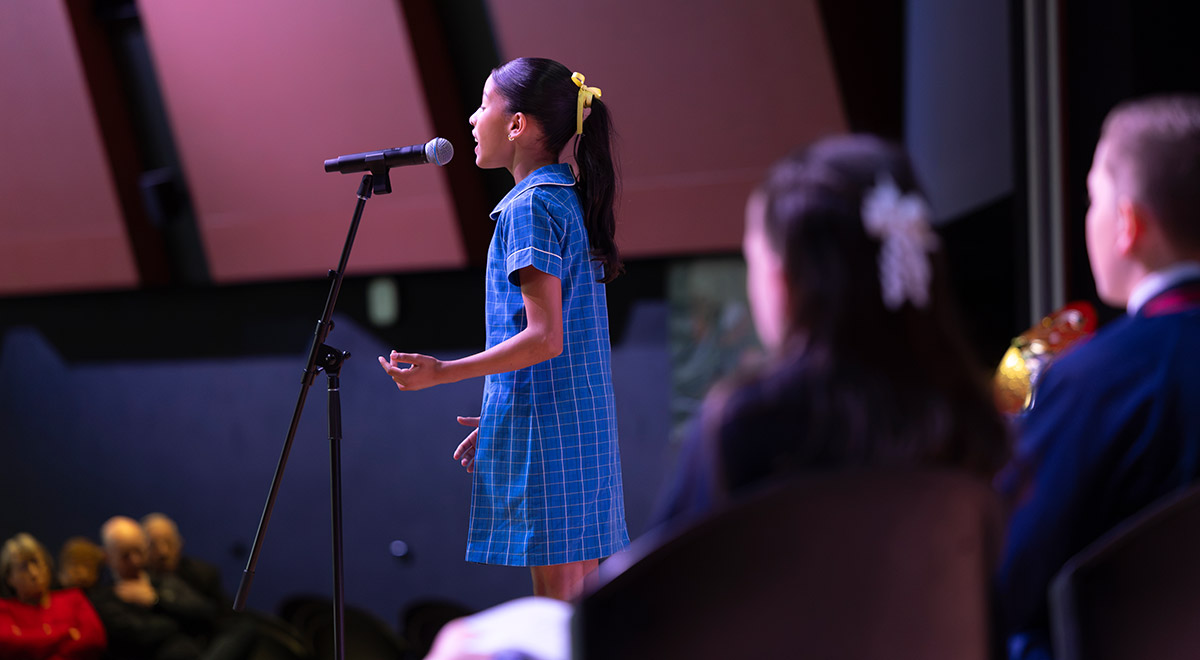
Celebrating 40 years of Voice of Youth and the power of student voice
Six Year 6 students from 58 Catholic Schools Parramatta Diocese (CSPD) Primary schools came together at St John XXIII Catholic College Stanhope Gardens on 22 September for the Voice of Youth Grand Final, showcasing their public speaking skills through a series of thoughtful and engaging speeches.
18 Sep 2026
From Facebook
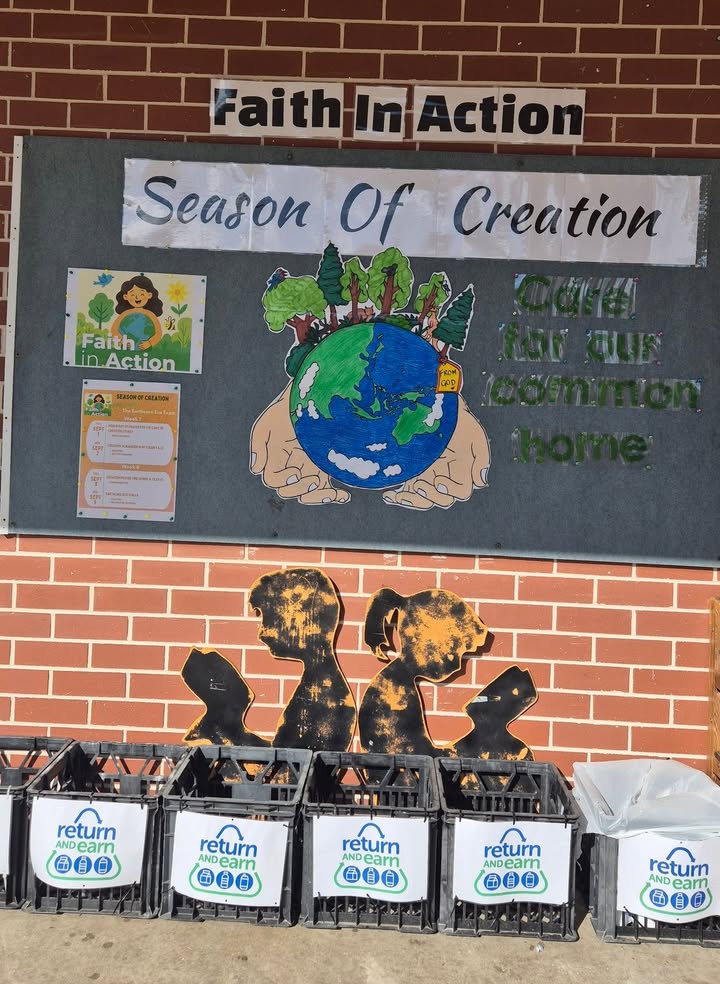
💧🌏 Season of Creation 2026 at Holy Cross 🌿 Our school community has been celebrating the Season of Creation through prayer, learning and action. We began with classroom liturgies for the World Day of Prayer for the Care of Creation, followed by Faith in Action activities led by our iHelp students, including Creation Scavenger Hunts and Earthcare Eco Expo, where students explored ways to reduce waste. Our Year 6 iHelp students led Creation Prayer Time with their Kindergarten buddies, while our Year 3 students put their learning about showing mercy to God’s creation into action by picking up rubbish during recess and collecting containers for Return and Earn. As a whole school, we have also recommitted to using our Return and Earn baskets to help reduce waste and care for our common home. ♻️ Together, we are putting our faith into action and caring for common home. Catholic Schools Parramatta Diocese #faithinactioncspd
15 Sep 2026
From Facebook
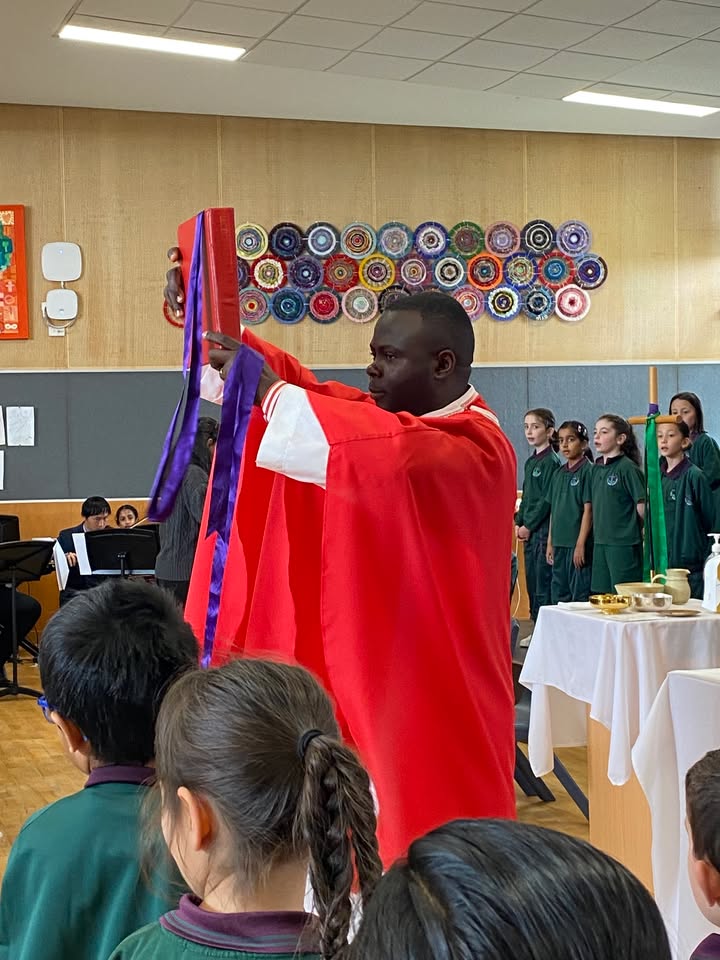
Today, we celebrated our school Feast Day! ✝️✨ While the official Feast of the Exaltation of the Cross falls on September 14th, our school community gathered together today to celebrate our unique identity, founded on the Cross. We shared in the Eucharist and remembered Jesus' ultimate sacrifice for us—a constant reminder of His call for us to “Live Life to the Full.” After Mass, Father Jolly blessed our beautiful new foyer cross! ✝️✨ More than a piece of art, this cross powerfully reflects our Catholic faith and our Holy Cross identity. The Tree at the Centre: Jesus is the trunk, deeply rooted in our faith. We are the branches, called to grow and share his message with the world. The Surrounding Cross: A daily reminder of Jesus’ sacrifice, God’s enduring love, and the hope of new life. We want to thank two High Schools from our Catholic Schools Parramatta Diocese: St John 23rd for supporting us with our band and choir during Mass, and CathWest, who graciously made our cross. Catholic Schools Parramatta Diocese
04 Sep 2026
From Facebook
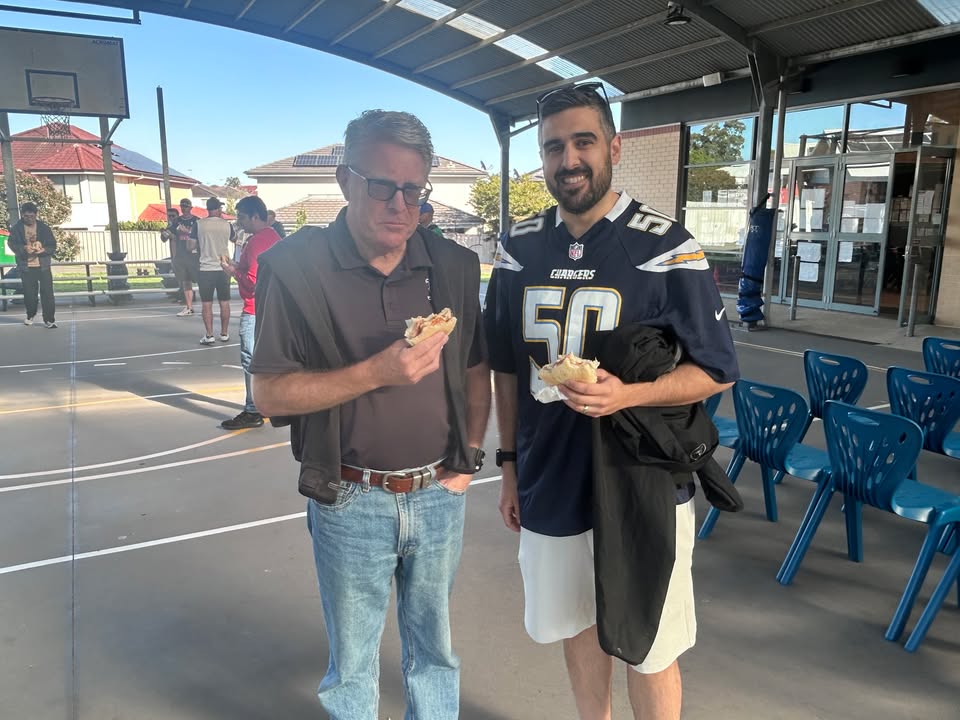
What a wonderful morning celebrating all the incredible fathers, grandfathers, and father figures in our school community! 💙✨ Here is a look at how we spent our Father’s Day celebration today: Father's Day Breakfast: We kicked off the morning with an early Father's Day breakfast. Father's Day Liturgy: We came together in prayer, reflecting on the love, guidance, and strength our dads provide every day. Special Student Presentations: Each grade took to the stage to share what they love most about their dads. Classroom Activities: Dads joined the kids in the classrooms for fun collaborative games and some friendly competition. Picnic Lunch: We wrapped up the celebrations enjoying lunch together in the sunshine. Thank you to all the father figures who joined us and made today so memorable, and to our staff and parent volunteers who helped bring it all together. Happy Father's Day to all our amazing dads this weekend! Check out some of our favourite moments from the day below 👇📸
28 Aug 2026
From Facebook
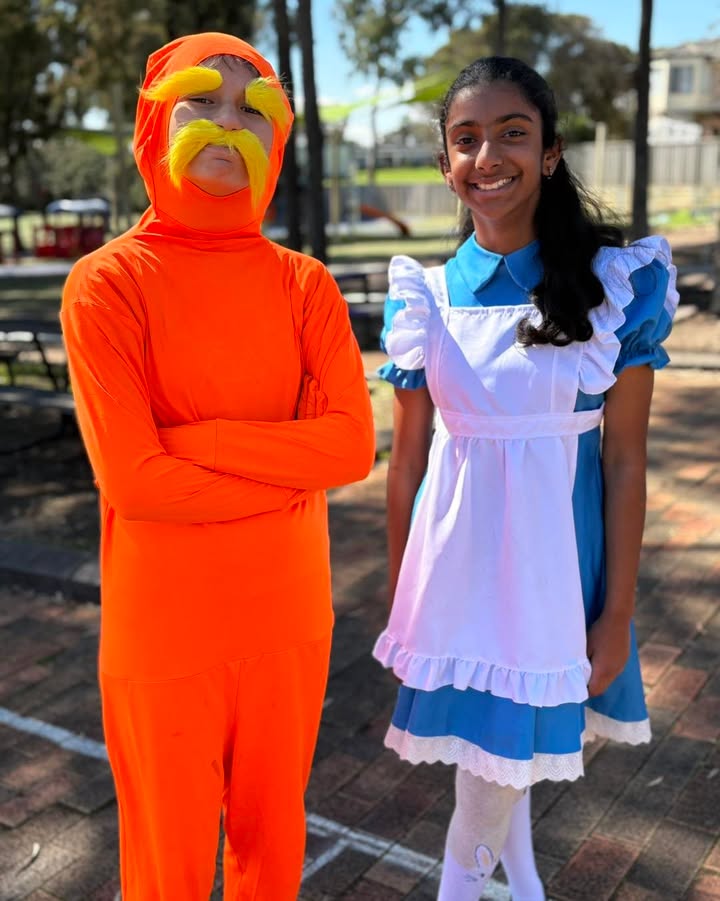
A few more shots of the Book Week fun at Holy Cross today 💜💚 The students had a great time dressing up, and thoroughly enjoyed the visit by renowned author Tim Harris ✍️
28 Aug 2026
From Facebook
This morning we held our annual Book Week Book Parade and it was another exciting event for our community! 💜💚 The students had a great time singing and dancing as they paraded their costumes for everyone to see. Well done to everyone for getting involved and making it so much fun! Big thanks to Mrs Morris and Mrs Calabritta who did an awesome job of hosting the event!
28 Aug 2026
From Facebook
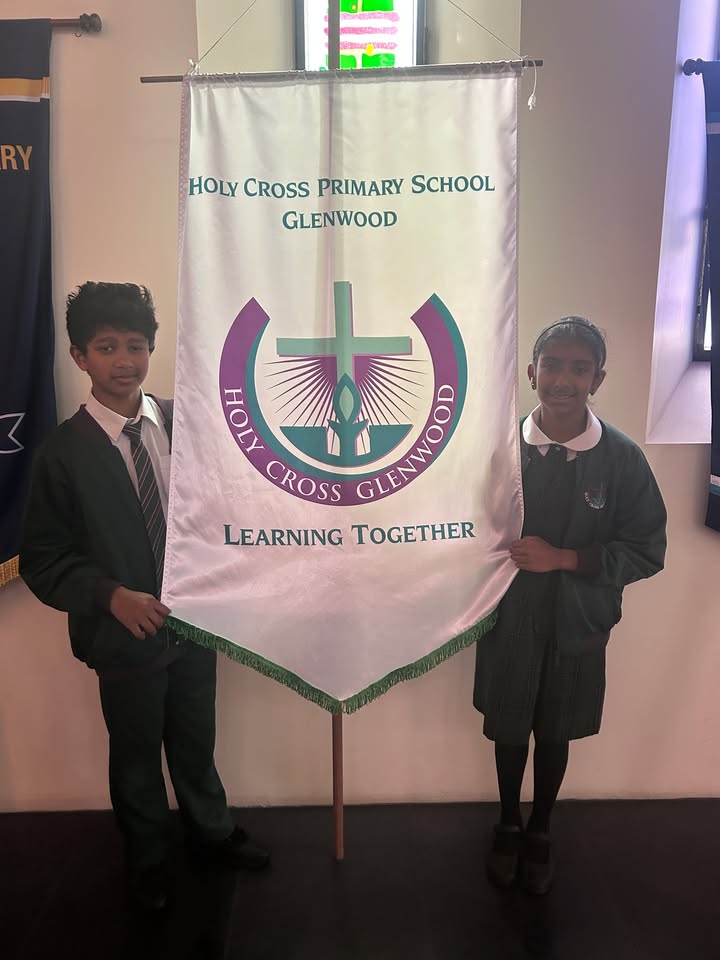
Celebrating 40 years of Catholic education in our Diocese! 🎒✨ On Wednesday, our student representatives attended the annual Education Mass at St Patrick’s Cathedral, Parramatta. This special Mass brought together students, staff and parents from across the Diocese of Parramatta to celebrate their vital role in the mission of the Church. Adding to the joy, this year's service coincided with the 40th Anniversary of the Diocese of Parramatta, marking four decades of rich history, learning, and community across our Catholic school system. We are so proud of our student leaders for representing our school at such a meaningful event!
28 Aug 2026
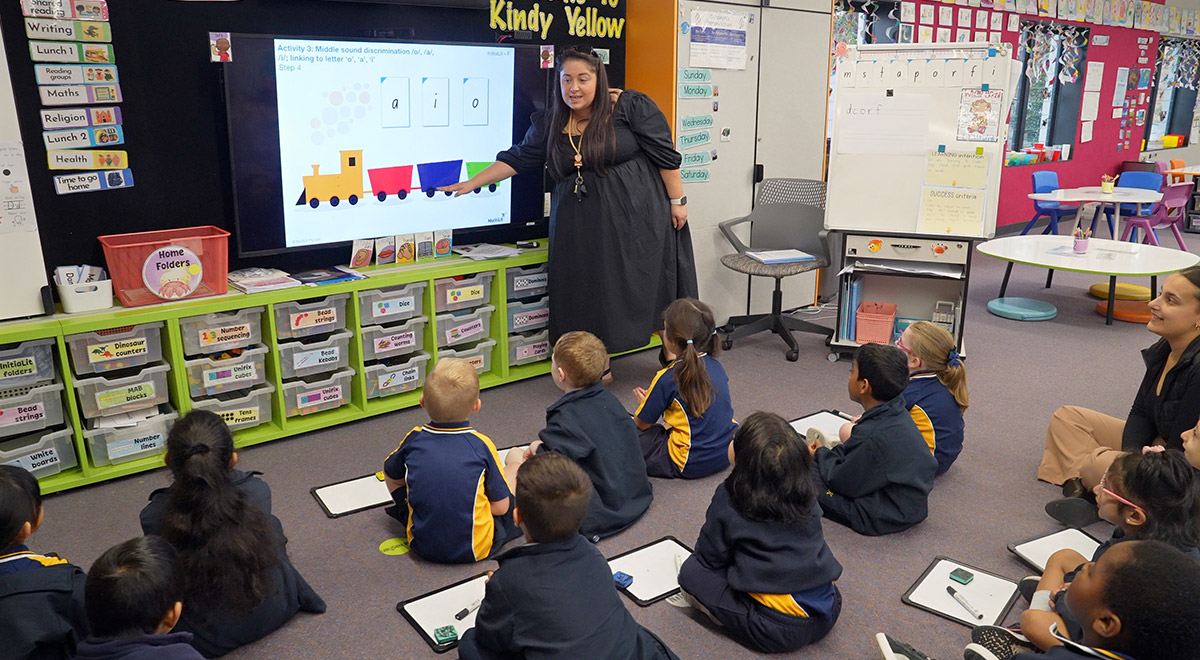
Our schools are cracking the reading code
Do you remember how you learned to read? For a vital skill that is linked to all other learning, it’s surprisingly difficult to explain how to go about learning it.
21 Aug 2026
From Facebook
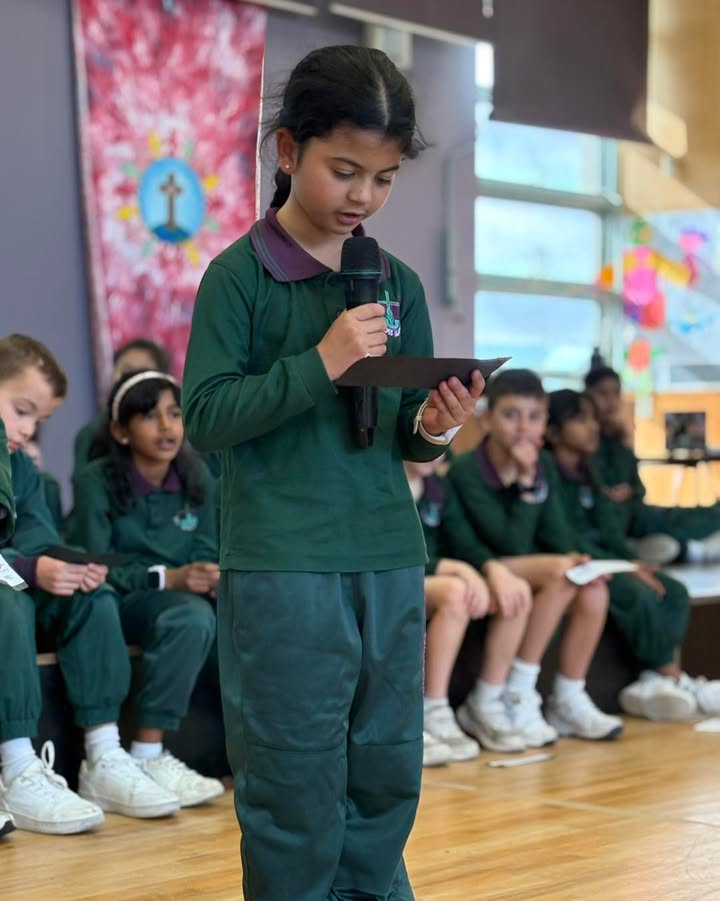
Thank you to our Year 2 students who shared their learning with us this afternoon! 💜💚

20 Aug 2026
Six Habits That Help Children Develop a Love of Reading
Book Week is a celebration of stories, imagination and creativity, but helping children love reading isn't just something that happens during one week of the year. The good news? It doesn't take expensive resources or hours of extra time. Often, it's the small, everyday habits that make the biggest difference.
18 Aug 2026
From Facebook
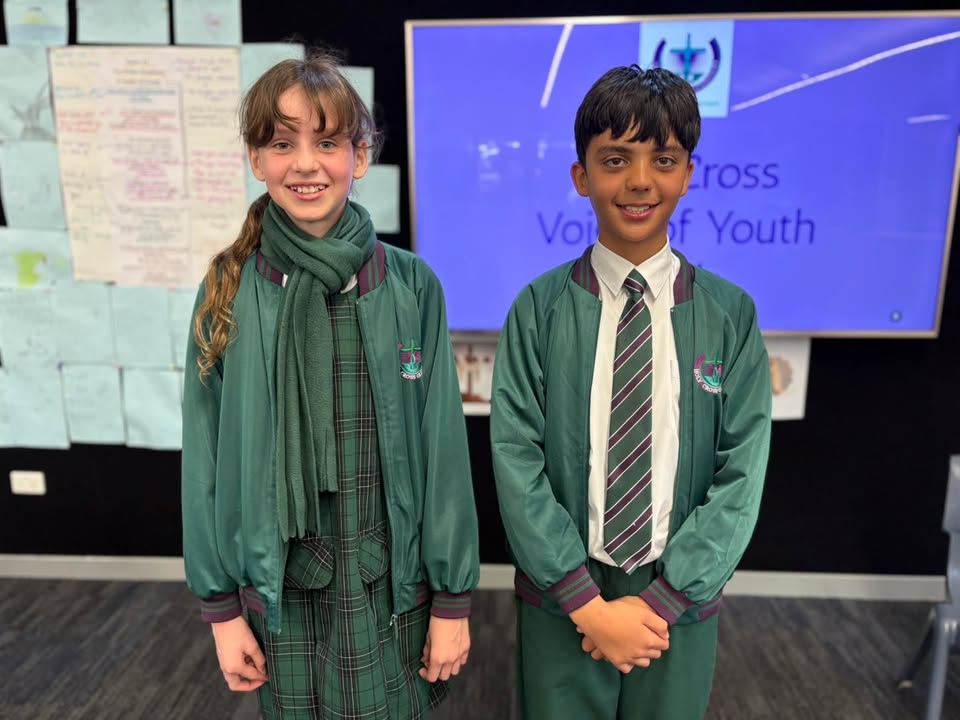
Well done to all eight students who presented speeches at this morning’s school final of the Voice of Youth competition 👏 Special congratulations to Amelie and Xavier who have been chosen to represent Holy Cross at the Upper Hills Cluster Final next week 💜💚
17 Aug 2026
From Facebook
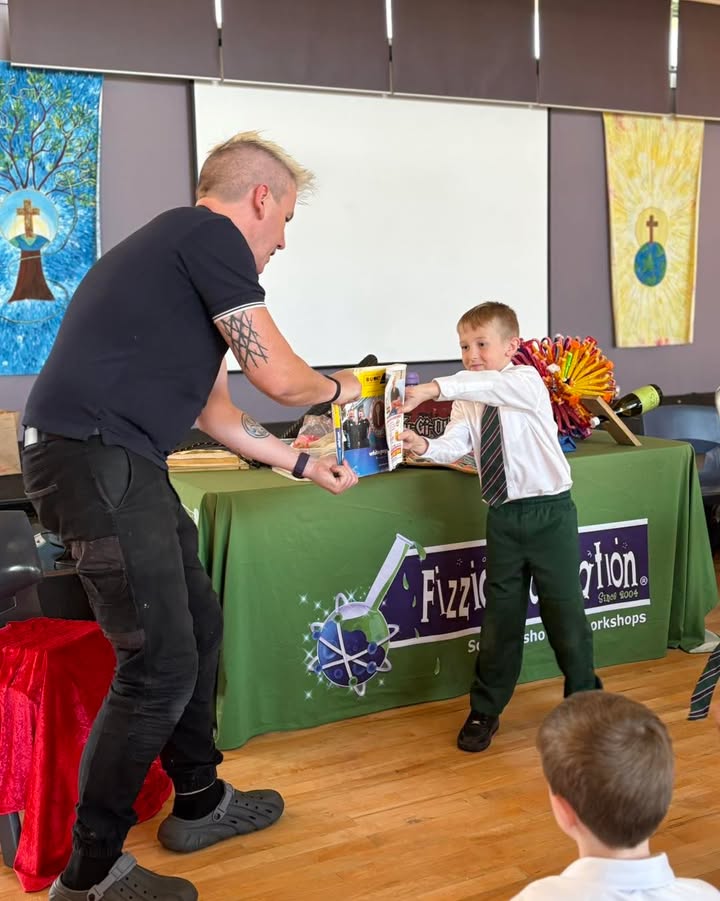
This week our Year 2 students had a blast learning all about forces with the team from Fizzics Education 🥼🔬🔭
Browse Categories